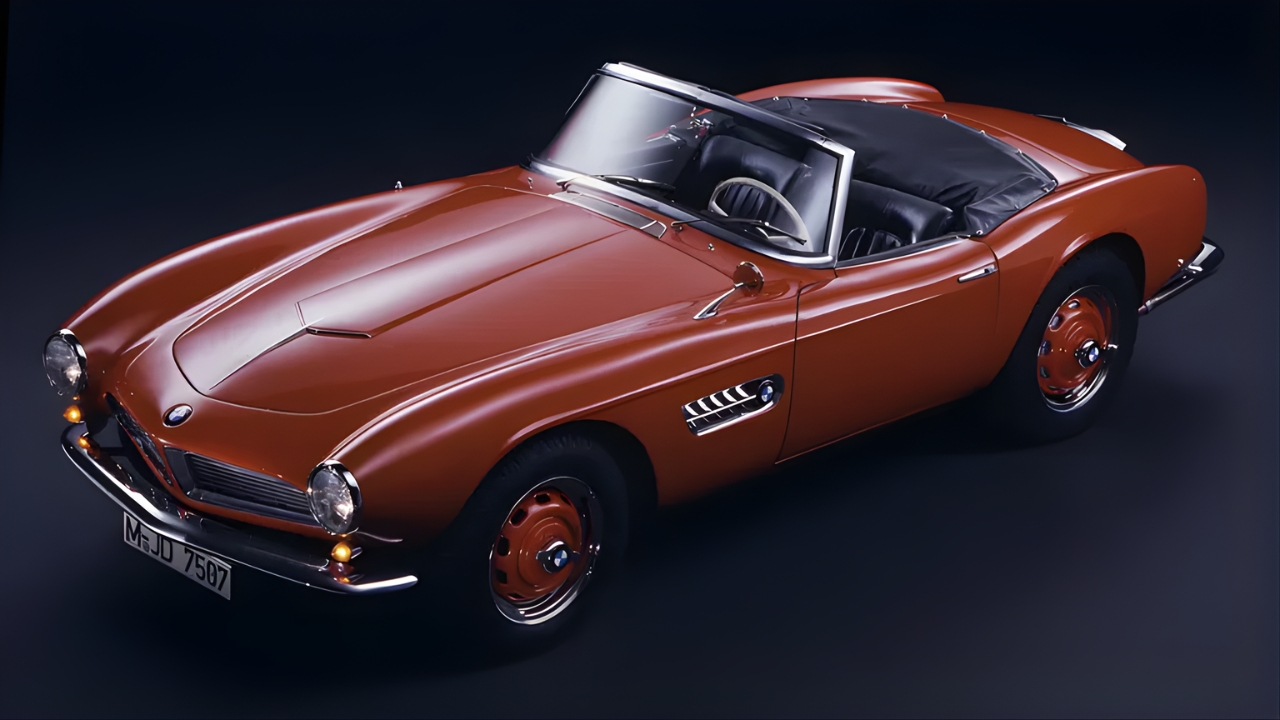
The Z3 roadster in 1990s fascinated the globe with its smooth curves, James Bond style, and unadulterated driving pleasure yet it went unnoticed that it was build upon a wacky predecessor that thought of the formula of open-top in a whole new way. The Z1, in 1989, was the eccentric brother to the Z3 in whose bodywork BMW dared to experiment with plastic and whose doors would sink at the touch of a button into the sills. Although the Z3 sold almost 170,000 units and became a fantasy item, the small production of only 8,000 cars of the Z1 made it just a whisper of a legend, a futuristic innovation with the spirit of a vintage roadster.
Radical Birth in the Late 1980s of Z1
In 1986, BMW engineers launched the Z1 project as an internal passion play to reestablish the tradition of roadsters following the failure of the flashy 507 three decades before. Designer Harm Lagaay had a tubular steel frame, covered by thermoplastic panels, which were light, rust-free wonders and could change color within hours, stuck into a shortened E30 3 Series chassis to give it agile handling. It was briefly built as a prototype between 1989-1991 in Spartanburg, but the high cost and limited niche market limited production to just a few Z1s, which served as precursors of BMW’s Z-series obsession.
Engineering Wizardry and Door Magic
The trademark gimmick of the Z1, the doors sliding in and out of the chassis on their sides, made shows and gave you a glimpse of inside the vehicle such as a stage curtain, as well as cutting down the drag and width to make city zips. A 2.5-liter inline-six under the hood turned 170 horsepower out of a five-speed manual, accelerating to 0-60 in 6.4 seconds with the rear wheel drive stance and independent suspension on all four sides. The personalization was promised by the removable body panels, whereas, the Targa-style roof was a nod to 1970s style, making it a technological-advanced toy among those enthusiasts weary of the uninspired coupes on the market.
Why the Z3 Passed Over Its Sibling
The Z3 launched in 1995 with a hype, and featured in GoldenEye, with Pierce Brosnan playing Bond swapping it with a plane, and orders soared before showrooms even opened, BMW sold all the 1996 production before its release. It was constructed on the E36 base with more relaxed six-cylinders up to 3.0 liters, added wider appeal: softer looks reminiscent of the 507, optional automatics, and M versions topped with 321-horsepower S50s engines to take to the track days. The Z1 with its curious plastics and low wattage could not have existed in juxtaposition with the accessibleness of the Z3, yet both were Spartanburg-based, sport cars that were worthy of the road.

Rebel Pasta of Two Roadsters
Z1s today are worth half a million dollars in their rarity and gimmicks, and Z3s are affordable thrills not yet found in the six figures, providing BMW with the magic formula of satisfying the mass market without sacrificing the fun. The brothers were the ones who stretched BMW experimental boom between the 80s and 1990s to the Z4 and ongoing, reminding the drivers that real heroes will strike the right balance between outrageous and just daily smiles. You find the gullwing apparitions of Spot a Z1 on the backroads and you will watch the unsung spark of the Z3- one lost, one never.
| Trait | Description |
|---|---|
| Coat | Thick double, weatherproof |
| Size | 30+ in, 140-180 lbs |
| Lifespan | 8-10 years |
FAQs
Q1: Z1 doors reliable?
A1: Hydraulics A1: Yes, maintenance with hydraulics.
Q2: Z3 better daily driver?
A2: Yes, absolutely, some parts and easy.
Q3: Rare Z1 values?
A3: $100K+ for pristine examples.